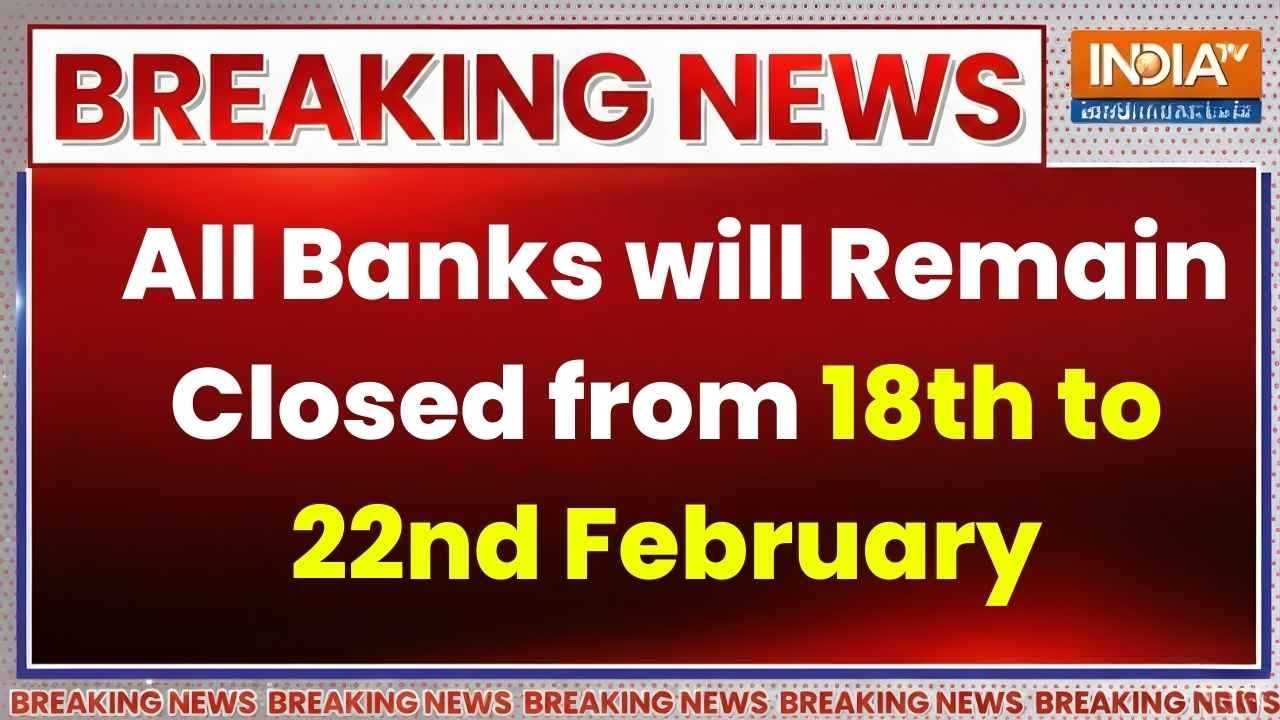
Customers across India will encounter a series of Reserve Bank of India branch closures from 18 to 22 February 2026. These holidays are primarily regional, not nationwide, reflecting India’s cultural and administrative diversity. While physical branches will be unavailable, digital banking platforms remain operational, allowing uninterrupted access to most essential transactions.
Regional Festivals and State-Specific Observances
The bank holiday schedule in February aligns with local cultural and state events. February 18 marks Losar, the traditional New Year celebrated in Himalayan regions, prompting closures in those areas. On February 19, certain states observe the birth anniversary of a prominent figure, leading to localized branch shutdowns. February 20 coincides with State Day celebrations in northeastern states, adding another layer of temporary closures.
Why February Holidays Feel Longer
The sequence of closures may appear extended because some holidays coincide with weekends. For instance, Sunday falls on 22 February, and the fourth Saturday is on 28 February. Customers who operate across multiple states may experience the effect of consecutive non-working days, especially when planning transactions that require physical branch intervention.
Services That Continue During Branch Closures
Despite branch shutdowns, digital banking services like UPI, IMPS, internet banking, and ATMs continue to function without interruption. Customers can transfer funds, pay bills, and access account information. However, services such as cheque clearing, demand drafts, or branch-initiated RTGS transactions may experience delays depending on clearing house schedules. Planning ahead is recommended for tasks that require in-person processing.

Practical Tips for Bank Customers
Customers should consider the following while navigating the February holiday cluster:
- Schedule cheque deposits before holidays to avoid delays in clearance.
- Complete KYC updates, new account openings, or demand draft requests in advance.
- Businesses relying on cheque settlements should adjust schedules to prevent disruption.
- Monitor state-specific holiday notifications from banks’ official websites, apps, or SMS alerts to stay informed.
For example, a cheque deposited on 17 February in Mumbai might be processed later than usual due to the closure on 18 February. Awareness of these schedules ensures smoother financial operations.
RBI Holiday Classification System
The Reserve Bank of India classifies holidays under three categories:
- Negotiable Instruments Act holidays, which affect cheque clearance and routine branch work.
- RTGS holidays, impacting real-time settlements initiated at branches.
- Account closing holidays, typically linked to financial year-end procedures and reporting.
Understanding these categories helps customers anticipate which services may be delayed during specific closures.

Confirming Local Bank Holidays
Since holidays differ across states, customers are advised to check official sources before planning branch visits. Banks often publish a state-wise list of holidays at the beginning of the year. Customer care helplines, SMS alerts, and mobile banking notifications are additional tools for timely information. Being proactive can prevent last-minute inconvenience for critical financial transactions.
Planning Ahead During Bank Holidays
Customers are encouraged to use the February 2026 holiday period to rely on digital banking solutions while avoiding dependency on physical branches. Scheduling high-priority transactions, such as cheque deposits or RTGS transfers, in advance can mitigate delays. For business accounts, coordinating payments and receipts around these holidays ensures smooth operations.
Final Verdict
The RBI bank holiday schedule from 18 to 22 February 2026 emphasizes India’s regional diversity and cultural observances. While physical branches will remain closed on select days, digital banking platforms ensure continuity of essential services. Planning ahead, understanding the types of holidays, and monitoring state-specific notifications will help individuals and businesses navigate the temporary disruptions effectively.
Disclaimer
This article is based on publicly available RBI holiday schedules and general banking guidelines. Actual branch operations may vary by bank, state, and region. Customers should verify specific dates and services with their respective banks before scheduling critical transactions. Digital services generally remain active, but processing times for cheque clearing and other paper-based instruments may be affected.