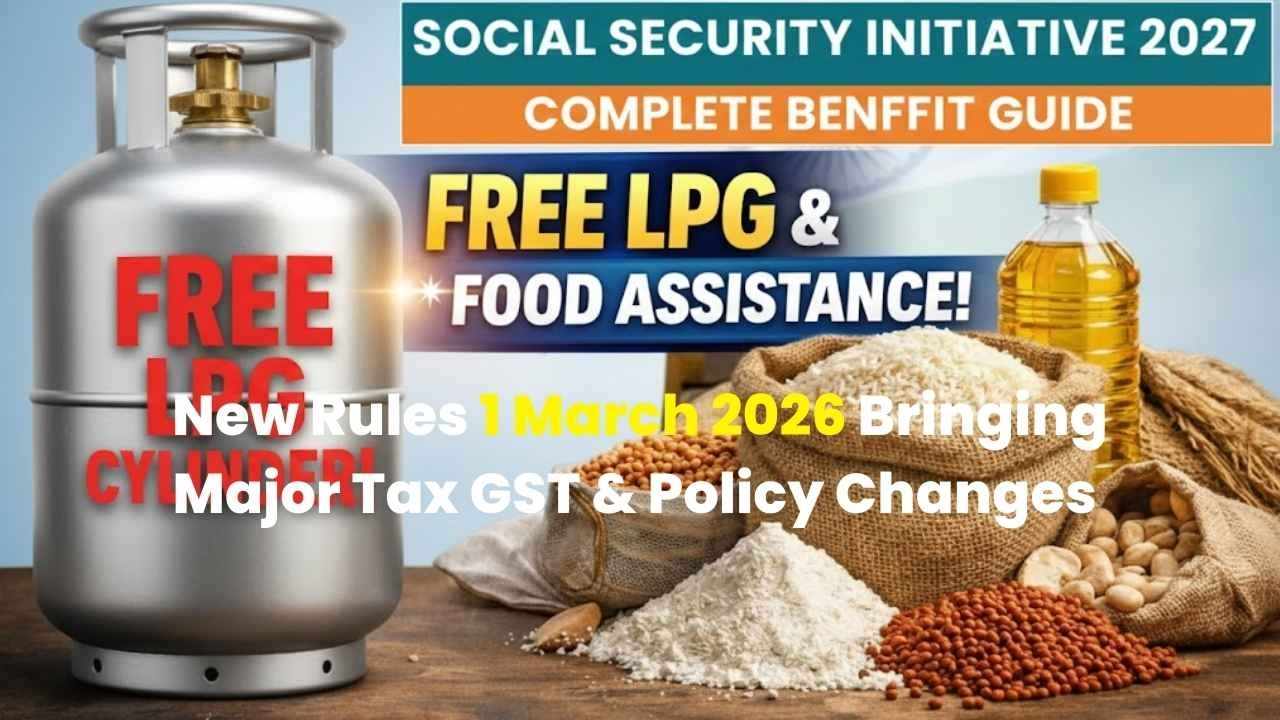
The widely discussed Free LPG Cylinder and Ration Support Scheme 2026 is not a single newly launched program. Instead, it refers to a combination of existing government welfare initiatives that together provide cooking gas support and subsidised food grains to economically weaker families. These schemes operate across India with the goal of reducing financial stress and improving living standards for low income households.
By linking fuel subsidies with food security programs, the government addresses two essential needs that directly affect daily survival: access to clean cooking fuel and affordable nutrition.
LPG Connection and Subsidy Support for Eligible Families
A key pillar of this support structure is the continued implementation of LPG connection schemes for women from below poverty line households. Eligible families can receive assistance in obtaining an LPG connection, helping them shift away from firewood, coal or other traditional fuels.
Once connected, many beneficiaries also receive subsidies on LPG refills through direct benefit transfer into their bank accounts. This reduces the recurring expense of purchasing cylinders, making clean cooking fuel more affordable.
The transition to LPG has broader implications beyond convenience. It significantly reduces indoor smoke exposure, which is often linked to respiratory illnesses and eye problems. Women and children, who spend more time in kitchen spaces, benefit the most from improved air quality and safer cooking conditions.
Ration Support Through Public Distribution Programs
Alongside LPG benefits, ration assistance remains a central feature of social welfare efforts. Eligible ration card holders receive rice, wheat and other essential commodities at subsidised or free rates under government distribution systems.
For extremely poor households, enhanced food grain support ensures minimum nutritional security even during periods of financial hardship. Monthly ration allocations act as a buffer against market price fluctuations, particularly during times of inflation.
For families relying on daily wages or seasonal income, this food support often determines whether they can maintain consistent meals throughout the month. It plays a vital role in preventing hunger and reducing the risk of malnutrition.
Who Is Eligible for LPG and Ration Benefits
Eligibility for these combined benefits generally depends on income classification and official documentation. Families listed under below poverty line categories or holding valid ration cards are typically considered.
Applicants must ensure that their Aadhaar details are linked to their ration card and bank account. This linkage allows subsidies to be transferred directly and helps prevent duplication or misuse. Women from eligible households are usually the primary applicants for LPG connections, reinforcing the focus on empowering female beneficiaries.
Since criteria can vary slightly between states, it is important for applicants to verify requirements through local authorities or official government portals before applying.
How to Apply for LPG and Ration Assistance
The application process is straightforward but requires accurate documentation. For LPG connections, eligible women can approach authorized gas agencies with proof of identity, address and income category. Once verified, the connection is processed under the relevant scheme guidelines.
For ration benefits, households must ensure their ration card details are updated and active. Changes in family size, address or income status should be reported to the local food supply office to avoid disruptions in distribution.
Maintaining updated bank account information is equally important, as subsidy payments depend on successful direct transfers.
Financial and Social Impact of the Scheme
Reducing expenses on food and cooking fuel creates breathing space in household budgets. When families spend less on essential items, they can allocate funds toward education, healthcare and home improvements.
Access to clean fuel also saves time that would otherwise be spent collecting firewood. This additional time can be used for work, skill development or children’s studies, contributing to long-term social upliftment.
From a broader perspective, these integrated welfare measures strengthen community resilience. By ensuring consistent access to nutrition and safe cooking practices, the schemes promote healthier and more stable households.
Strengthening Transparency Through Digital Integration
The integration of Aadhaar verification and direct benefit transfers has improved transparency in the distribution system. Digital tracking reduces leakages and ensures that assistance reaches intended beneficiaries.

Regular monitoring and data updates help authorities identify gaps and expand coverage where needed. This digital framework strengthens accountability and enhances trust in welfare delivery mechanisms.
Future Scope and Expectations
There is ongoing public interest in expanding coverage and increasing subsidy support under these programs. As economic conditions evolve, policymakers may review eligibility thresholds and benefit amounts to address emerging needs.
Sustained investment in food security and clean energy access can contribute to improved public health, reduced poverty levels and stronger social stability across rural and urban communities.
Final Verdict
The Free LPG Cylinder and Ration Support Scheme 2026 represents a coordinated effort to support low income families through existing welfare programs. By combining cooking gas assistance with subsidised food grain distribution, the government addresses two essential pillars of household survival. While not a standalone new initiative, this integrated approach continues to play a crucial role in reducing financial strain and promoting healthier living conditions for vulnerable populations.
